Introduction
In the world of outside adventures, few experiences can rival the thrill of catching breathtaking photographs in nature. Whether you're raising a mountain, camping under the stars, or just roaming through a lush forest, photography allows you to maintain those fleeting moments of appeal. The art of photographing nature exceeds simply pointing and shooting; it involves comprehending your environments, mastering your devices, and employing various strategies to improve your images.
In this extensive guide entitled Photography in Nature: Tips for Capturing Stunning Outdoor Shots, we will look into vital suggestions, techniques, and insights that every nature photographer ought to understand. From gear recommendations to structure methods, we'll cover whatever you need to raise your photography abilities. So get your electronic camera and prepare yourself to start a visual journey like no other!
Photography in Nature: Tips for Capturing Stunning Outdoor Shots
Understanding Your Gear
Essential Video camera Equipment for Nature Photography
When venturing into the wilderness with your cam, it's essential to have the ideal equipment. While professional photographers may purchase high-end DSLRs and lenses, there are excellent alternatives available for lovers as well. Here are some essentials:
- Camera Body: Choose an electronic camera that matches your skill level-- DSLRs or mirrorless cameras are ideal for versatility. Lenses: A standard zoom lens (like 24-70mm) is fantastic for general shots; think about a telephoto lens (70-200mm) for wildlife and a macro lens for close-ups. Tripod: Stability is key! A sturdy tripod helps catch long-exposure shots without blur. Filters: Polarizing filters reduce glare; ND filters allow longer exposures in bright conditions.
Camera Settings You Must Know
Mastering Direct exposure Triangle
Understanding how aperture, shutter speed, and ISO impact your photos is essential:
Aperture (f-stop): Controls depth of field; lower f-numbers develop background blur (bokeh). Shutter Speed: Dictates how motion is recorded; faster speeds freeze action while slower speeds develop movement blur. ISO: Changes sensor level of sensitivity; higher ISO enables shooting in low light but might introduce noise.Planning Your Nature Photography Session
Choosing the Right Time
The finest times for photography are often referred to as "golden hours"-- the hour after daybreak and before sunset when lighting is soft and warm. For wildlife photography, mornings or late afternoons yield much better possibilities of finding animals.
Weather Considerations for Camping
Weather can make or break your photography session. Always examine projections before heading out to ensure safe conditions. Overcast days can be ideal for specific kinds of photography considering that they supply diffused light.
Location Scouting
Top Outdoor camping Destinations with Picturesque Views
Here are some outdoor camping destinations renowned for their spectacular landscapes:
|Area|Key Features|Finest Time to carbon monoxide detector for motorhome safety Check Out|| -----------------------|-------------------------------------------|-----------------------------|| Yosemite National Park|Significant cliffs and waterfalls|Spring & & Fall|| Banff National Forest|Majestic mountains & & blue lakes|Summertime|| Zion National Park|Distinct rock formations & & diverse flora|Spring & & Fall|| Grand Teton National Forest|Iconic peaks & & beautiful wildlife|Late Spring|
Composition Techniques
Framing Your Shots
Effective structure draws audiences into the image:
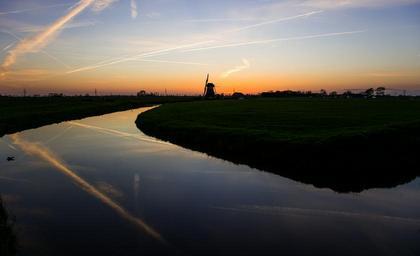
- Use leading lines (paths, rivers) to assist attention. Employ the guideline of thirds; position subjects off-center. Frame within a frame by using natural elements (trees, arches).
Lighting Methods for Outside Photography
Utilizing Natural Light
The quality of light dramatically influences images:
Backlighting yields lovely shapes during sunsets. Use reflectors or diffusers to control light on sunny days.Night Photography
Capturing stars requires particular settings:

- Use long direct exposure (15-- 30 seconds). Set a low ISO (800-- 1600), keeping sound minimal. Use handbook focus to ensure stars are sharp.
Wildlife Observation
Patience Is Key
Wildlife photography demands patience and respect for animals' environments:
- Stay peaceful and remain still to prevent surprising creatures. Use field glasses initially to find animals from afar before photographing them.
Ethical Wildlife Photography Practices
Always prioritize animal welfare:
Sustainable Practices in Nature Photography
Eco-Friendly Camping Tips
When photographing nature, consider its preservation:
Leave No Trace principles ensure very little effect on environments. Opt for environment-friendly gear made from sustainable materials.Hiking Insights
Best Hiking Routes for Photographers
Explore these attractive trails best for photo ops:
Pacific Crest Path-- Varied landscapes from deserts to mountain ranges. Appalachian Trail-- Lavish forests offer abundant colors year-round.Advanced Techniques
Long Direct exposure Photography
Capture movement magnificently:
Editing Your Photos
Post-processing Essentials
Editing boosts your final images dramatically:
Utilize software application like Adobe Lightroom or Photoshop. Focus on changes such as contrast, saturation, and cropping.FAQs about Photography in Nature
What kind of camera is best for nature photography?
The finest type depends on experience level-- DSLRs or mirrorless cameras with interchangeable lenses use flexibility and quality.
How do I safeguard my video camera while camping?
Use waterproof bags or cases; think about weather-resistant models when treking through rainforests or snowy conditions.
What ought to I include in my camping checklist?
Include basics such as tents (think about hot camping tents), food supplies, cooking equipment, emergency treatment sets, and path maps specific to your destination.
How can I improve my landscape photography?
Experiment with various angles; try consisting of foreground interest to include depth and scale to scenes.
What time is best for wildlife photography?
Early early mornings or late afternoons supply the very best opportunities due to animal activity levels during cooler parts of the day.
How crucial is post-processing in nature photography?
Post-processing can substantially enhance an image's quality by correcting direct exposure issues or including artistic effects.
Conclusion
Capturing sensational outside shots requires not just technical ability but also a deep appreciation of nature itself. With thoughtful preparation-- thinking about everything from camera settings and structure methods down to ethical practices-- you can produce awesome images that inform compelling stories of the natural world around us.
As you venture into this interesting world called "Photography in Nature," remember that practice makes best! Explore numerous areas like national forests while sharpening your abilities at every opportunity you get-- after all, the outdoors has endless charm waiting just outside your door! So leave those innovative hot camping tents together with portable outdoor camping equipment due to the fact that it's time to hit those treking tracks armed with knowledge acquired from this guide! Pleased shooting!